Tuesday, April 26, 2011


Sunday, April 17, 2011
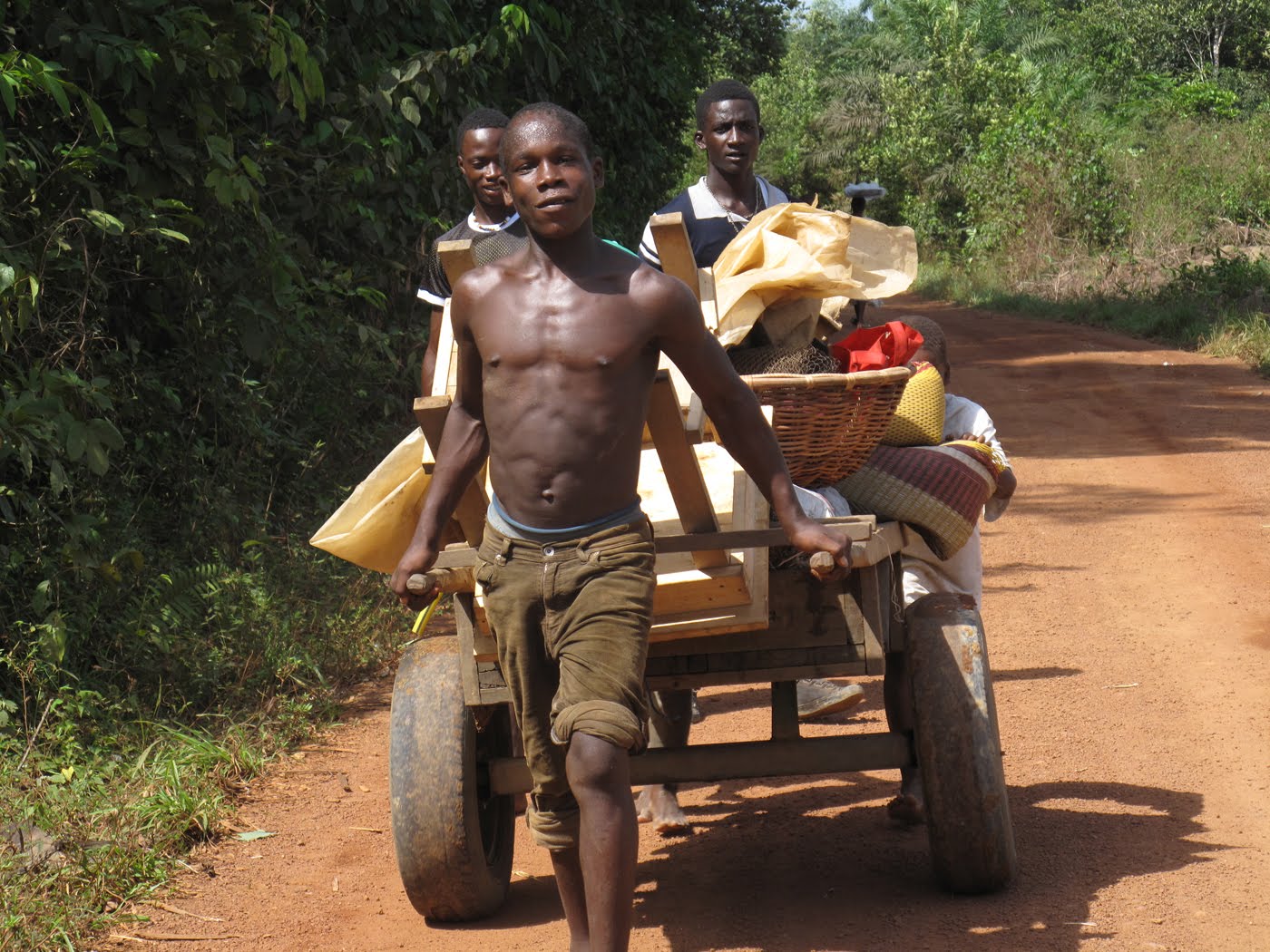
Pictures of the Ivory Coast refugee crisis - refugees in Liberia
More than 120,000 Ivorians have fled -- and continue to flee -- into neighboring Liberia.
In the past week alone, its estimated that more than 9,000 refugees arrived in the southeastern Liberian coastal city of Harper, in Maryland county, after many villages were attacked.
This abandoned school building on the outskirts of the city is now home to more than 4,600 people. The site was designed as a temporary transit center for 1,500 people -- but is now bursting at the seams.
The early arrivals got tents; but those who arrived more recently have to sleep on the floors of the derelict schools; others have built makeshift wooden shelters themselves; using leaves as a roof to try to shield them from the searing sun and the occasional rain.


In the past week alone, its estimated that more than 9,000 refugees arrived in the southeastern Liberian coastal city of Harper, in Maryland county, after many villages were attacked.
This abandoned school building on the outskirts of the city is now home to more than 4,600 people. The site was designed as a temporary transit center for 1,500 people -- but is now bursting at the seams.
The early arrivals got tents; but those who arrived more recently have to sleep on the floors of the derelict schools; others have built makeshift wooden shelters themselves; using leaves as a roof to try to shield them from the searing sun and the occasional rain.




Friday, April 15, 2011
Tuesday, February 8, 2011
The birth of a nation and challenges for the future
The people of southern Sudan have voted overwhelmingly in favour of independence
Election officials confirmed nearly 99% of voters who took part in a landmark vote in January favoured separation from the north. The move will pave the way for the creation of the world's newest nation by July.
In the past few months, tens of thousands of southern Sudanese have been returning home; most had been living in the north, some for decades.
Oxfam's emergency, preparedness and response team (EP and R team) has been intervening in some of the most crowded areas to help prevent the spread of disease. The team, funded by the European Commission Humanitarian Aid department, ECHO, has been working for the last few weeks in Leer county, Unity State, to provide some basic water and sanitation services to the local communities as well as the new returnees.
Southern Sudan remains one of the poorest and least developed regions in the world, and only recently emerged from decades of civil war.
After decades of war, southern Sudan needs to be built almost from scratch, and there are enormous challenges. Most people do not have access to clean water, sanitation, or adequate schools or healthcare.
Election officials confirmed nearly 99% of voters who took part in a landmark vote in January favoured separation from the north. The move will pave the way for the creation of the world's newest nation by July.
In the past few months, tens of thousands of southern Sudanese have been returning home; most had been living in the north, some for decades.
Oxfam's emergency, preparedness and response team (EP and R team) has been intervening in some of the most crowded areas to help prevent the spread of disease. The team, funded by the European Commission Humanitarian Aid department, ECHO, has been working for the last few weeks in Leer county, Unity State, to provide some basic water and sanitation services to the local communities as well as the new returnees.
Southern Sudan remains one of the poorest and least developed regions in the world, and only recently emerged from decades of civil war.
After decades of war, southern Sudan needs to be built almost from scratch, and there are enormous challenges. Most people do not have access to clean water, sanitation, or adequate schools or healthcare.
Sunday, January 16, 2011


Subscribe to:
Posts (Atom)